Watercolor Paintings and Visual Storytelling in Modern Online Gaming
Watercolor painting is one of the few art forms that makes you feel an immediate human presence. The medium rewards both spontaneity and patience, producing images that carry the artist’s hand in every wash and bloom of color. Whether in the broad luminosity of 19th-century landscape paintings or the warm community scenes of contemporary artists, watercolor has always served storytelling as much as pure image-making. That storytelling capacity has found striking new relevance in today’s digital world. Players at tesorcasino experience each game in a carefully planned visual environment meant to evoke mood and atmosphere. Watercolor artists make the same kinds of deliberate choices — color, light, and composition — to shape how a viewer feels. Both art forms depend on atmosphere as much as mechanics. Turner’s visual instincts helped him capture a foggy bay on canvas. Today, game designers use layered color and texture to create experiences that are immersive and emotionally resonant. The Role of Visual Art in Online Casino and iGaming ExperiencesModern iGaming platforms invest far more thought into their visual presentation than casual players might expect. Design teams working on online casinos draw on illustration, printmaking, and painting to create spaces that feel unified, welcoming, and distinctive. Watercolor-inspired aesthetics have become especially popular because the medium communicates warmth and craftsmanship in ways that purely digital imagery often cannot. How illustration and atmosphere shape the player experience The connection between visual design and player engagement is now being studied seriously within the iGaming industry. Backgrounds, character illustrations, interface textures, and thematic imagery all contribute to the overall mood of a gaming environment. When designers use soft gradients, transparent color washes, and hand-painted character art, they are consciously borrowing the emotional language of watercolor painting — even when the final product is executed digitally. What watercolor brings to game design aesthetics • Soft, luminous color fields that add depth to a scene without visual noise • Transparent layering that conveys a sense of richness and craft • Organic edgework that reads as handmade rather than machine-generated • Warm color palettes that pair well with narrative themes and evoke specific emotions or places • Character designs full of personality and story-rich textural environments that add visual interest without distracting from gameplay Famous Watercolor Paintings and Artists Who Shaped the StyleA remarkable body of famous watercolor paintings has accumulated over the past several centuries. Beginners are often introduced to the medium through loose exercises and a relaxed approach, yet some of the most technically demanding and aesthetically bold works in both Western and Eastern art belong to its history. Understanding that history helps enthusiasts and collectors appreciate why certain works continue to command significant attention in the market and in culture.
One reason famous watercolor paintings have retained their appeal over time is that watercolor does not deteriorate in the same way oil paintings can. Works on paper require careful conservation — protection from light, moisture, and excessive handling — but the pigments retain their brilliance remarkably well. Collectors and museum conservators have developed sophisticated methods for storing and displaying these works. Major auction houses now routinely include dedicated watercolor sessions in their fine art sales. “Watercolor is the most honest medium I know — it records every decision and punishes hesitation.” And that is precisely what brings the finest examples to life.
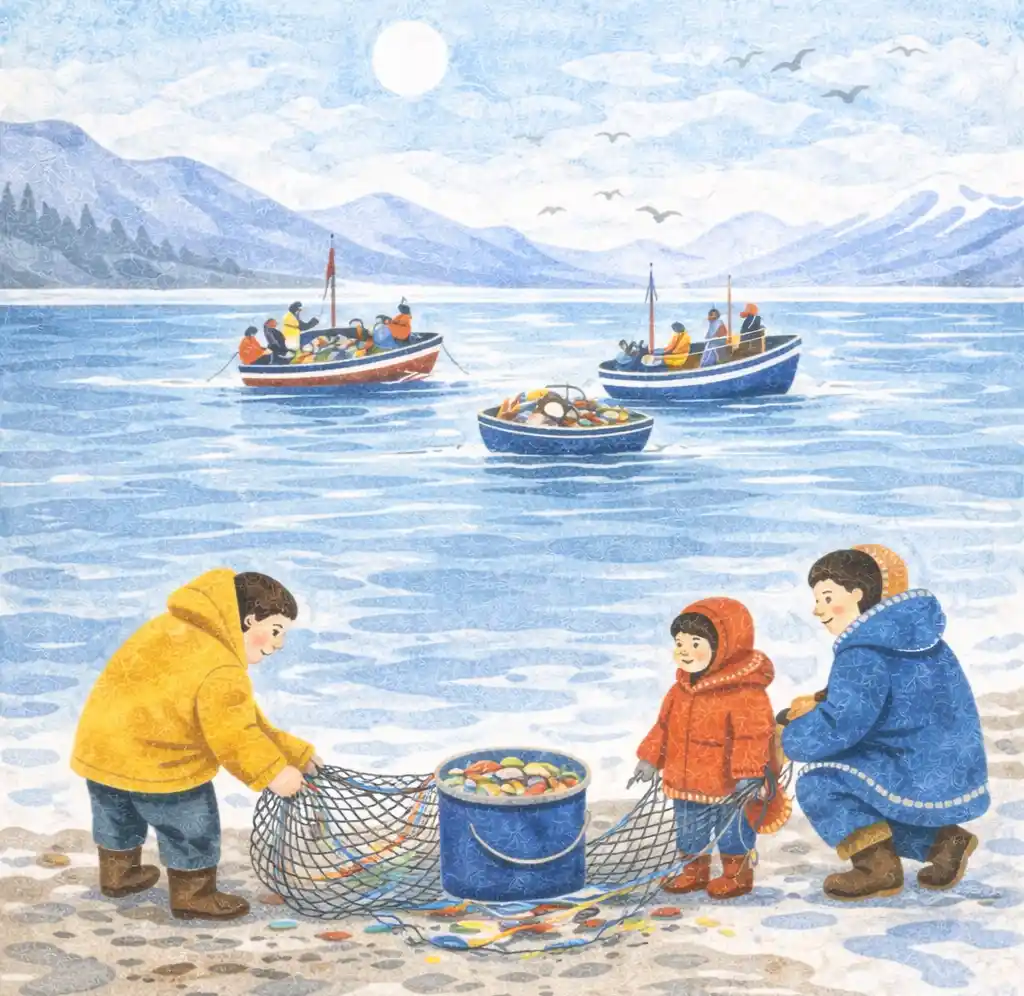
Rie Munoz and the Charm of Storytelling Through Watercolor PaintingsAmong American watercolorists working in the second half of the 20th century, Rie Munoz produced one of the most instantly recognizable and culturally specific bodies of work. Based in Juneau, Alaska, for most of her career, she used watercolor — alongside printmaking — to capture the communities, rituals, and daily rhythms of Alaskan life with warmth, humor, and genuine affection.
Munoz was not working within the conventional American watercolor tradition of landscapes and botanical studies. Her subject matter was Alaskan — native village life, fishing seasons, winter celebrations, and storytelling customs — and her style evolved to suit that material. Her choices of color and form were not constraints but deliberate tools she selected to express herself. How Rie Munoz fits within the broader history of watercolor Munoz belongs to a wider conversation about watercolor because she used the medium to document human experience rather than simply explore its formal properties. Just as Winslow Homer used watercolor to paint specific American places and people with an observational eye, Munoz used it as a means of recording community life. Her work sits within an illustration-based painting tradition that values storytelling as highly as technical mastery. Easy Watercolor Paintings and Simple Watercolor Paintings as Creative InspirationOne reason watercolor has remained widely popular is that it is genuinely accessible to beginners. Single-object studies, loose landscapes, and simple botanical paintings are all examples of easy watercolor paintings that allow new artists to enjoy the medium without being overwhelmed by technical demands. Simple watercolor paintings are appealing because they offer immediate feedback — color blooms, bleeds, and soft settlings that feel responsive and alive. What beginners learn from straightforward methods Attempting an easy watercolor painting often reveals something that more polished finished works can conceal: the medium rewards attention to light and water at least as much as it rewards drawing skill. A simple wash exercise or an open-sky study can teach more about color temperature and transparency than hours of observation alone. Traveling artists of the 18th and 19th centuries valued watercolor precisely for this directness — its speed, portability, and capacity for immediate expression. “I always tell beginners: don’t fight the medium. Very often, the accidents watercolor makes on its own are more interesting than anything you set out to correct.” Building toward more complex work through practice The progression from simple watercolor paintings to larger, more ambitious pieces is gradual and genuinely instructive. Beginning with basic washes and single-subject studies gives artists an understanding of how color responds to varying amounts of water and to different paper surfaces. This accumulated physical knowledge is what distinguishes competent watercolorists from truly inventive ones, and it cannot be bypassed. It is one reason why skilled artists continue to attract serious collector attention. Watercolor Paintings for Sale and the Growing Interest in Collectible ArtOver the past decade, the market for watercolor paintings for sale has grown steadily, driven by several converging factors. Demand for original works of art has increased, partly because digital reproductions cannot fully capture the tactile presence of works on paper. This has drawn more new collectors to watercolor as a primary category rather than a secondary one. Access has expanded significantly through online galleries, estate sales, and regional art fairs. Where art lovers can find watercolor paintings for sale • Exhibitions held by regional and national watercolor societies, where works are often available for purchase • Specialist auction houses that hold dedicated sessions for works on paper • Online galleries representing both emerging and established watercolorists directly • Artist studio sales and open studio events offering access to new work firsthand • Estate sales and antique markets, particularly for historical works from the 19th and early 20th centuries • Art fairs with dedicated sections for prints and works on paper • Collector communities and enthusiast groups that facilitate private sales Why original watercolors continue to hold their value Original watercolor paintings are collected for reasons that go beyond their visual appeal. Works on paper with solid provenance — particularly those by recognized regional artists or members of established schools — tend to appreciate gradually over time. This makes them attractive to collectors who take a long-term view rather than seeking a quick return. Their visual uniqueness, cultural significance, and relative scarcity allow original watercolor paintings to hold their value in the secondary market more reliably than mass-produced prints. From celebrated museum pieces to the warm community scenes of artists like Rie Munoz, from the tentative first washes of a beginner to the deliberate choices of a digital designer, watercolor paintings carry centuries of visual storytelling into the present. Whether approached as history, practice, a collecting interest, or a design influence, the medium repays attention and offers something that machine-made images rarely do: the unmistakable presence of a human hand. |